Comparison · AVEVA PI System
PI System is where data goes. Proxus is how it gets there.
AVEVA PI System is the historian much of heavy industry is built on: decades of operational data, an asset framework, and an ecosystem of analysis tools around it. Plants shortlist us against it because both promise "one source of truth", but the two solve different parts of that sentence.
- What it is
- AVEVA PI System: Operations data management and historian, from AVEVA
- What Proxus is
- An industrial data platform: collect, model, govern, store, deliver
- Honest summary
- The reference enterprise historian. Usually a destination for us, not a substitute.
- Your options
- Keep AVEVA PI System where it does its job and add Proxus beside it, or move the job into Proxus. Both paths are below.
Give them their due
What AVEVA PI System is genuinely good at.
A comparison that only lists the other product's weaknesses is a sales sheet, not a decision aid. These are real strengths, and some of them are reasons not to buy Proxus.
-
The reference historian in heavy industry
PI System is widely used across pharma, power, oil and gas and mining. In those industries PI is often assumed rather than chosen.
-
Built for high-fidelity, long-horizon data
Sub-second granularity retained for decades, with the storage engineering behind it. If the requirement is twenty years of process data at full resolution, that is what PI was designed for.
-
Asset Framework and a deep analysis ecosystem
Asset structures, templates, and a large set of analysis, reporting and visualisation tools built on top by AVEVA and third parties.
-
Institutional trust
In regulated plants, PI is often already validated, already audited and already in the procedures. Replacing it is a compliance project, not a software decision.
Attribute by attribute
Where the two actually differ.
Both columns are filled in. Where AVEVA PI System is ahead, the row says so.
-
Primary job
Proxus
Collect from equipment, model signals, govern access and deliver to the systems that need them, including historians.
AVEVA PI System
Collect, store, contextualise and visualise operations data at enterprise scale, over long horizons.
-
Retention horizon
Proxus
Retention set per deployment for telemetry and logs. Not positioned as a decades-long regulatory archive.
In the docs: Retention horizonAVEVA PI System
Designed for decades of high-fidelity history as a system of record.
-
Field connectivity
Proxus
Native drivers for 66 protocols across 30 vendor and standard families, including OPC UA, plus devices that publish over MQTT.
In the docs: Field connectivityAVEVA PI System
Interfaces and connectors, commonly via OPC and PI-specific interfaces.
-
Delivery to other systems
Proxus
18 destination systems (databases, brokers, cloud IoT services and REST endpoints), configured per device, with delivery status visible per target.
In the docs: Delivery to other systemsAVEVA PI System
A rich read ecosystem around the historian, with tooling for analysis and integration.
-
Deployment shape
Proxus
Containers on a plant server or a small edge device upward, including air-gapped sites.
In the docs: Deployment shapeAVEVA PI System
Enterprise infrastructure, on-premises and hybrid, with the operational weight that implies.
-
Integration between the two
Proxus
No native PI connector today. Delivery to PI goes through the standard paths, a database or REST, which is worth confirming for your topology before you plan on it.
In the docs: Integration between the twoAVEVA PI System
Ingests from standard interfaces and from a broad interface catalogue.
-
Scale of commitment
Proxus
A per-gateway licence and a container deployment; smaller decision, smaller footprint.
Pricing: Scale of commitmentAVEVA PI System
A long-term infrastructure decision with matching commercial and operational weight.
Proxus figures come from the current build's own driver and target inventory. AVEVA PI System figures come from the vendor's published material, linked at the end of this page. Nothing here is measured on a benchmark neither party has agreed to.
Choose AVEVA PI System
When we are not the answer.
- You need a validated, decades-horizon historian in a regulated industry, and that is the actual requirement.
- PI is already the system of record and the analysis tooling around it is what your organisation runs on.
- The scale is enterprise-wide process data at full fidelity, which is the problem PI was engineered for.
Choose Proxus
When the shape of the problem fits.
- The gap is upstream of the historian: getting equipment connected, modelled and delivered consistently.
- You need the same data in several systems, not only in the historian.
- A site or a line needs its own layer without provisioning enterprise infrastructure for it.
- Governed AI access and per-target delivery visibility are part of what you are buying.
- The need is plant-level history for operations and reporting, not a validated decades-long archive: built-in history covers it without a separate historian licence.
If this column describes you:
Bring the equipment your historian does not reach to a demoNot either/or
How they are used together.
-
Connect equipment PI does not reach
Machines without an interface (CNCs, robots, small controllers, meters) can be read by Proxus and delivered onward in a shape the historian accepts.
-
Model before it is historised
Units, scaling and asset context applied at collection mean the historian receives named signals rather than raw registers.
-
Feed more than the historian
The same modelled signal can reach the historian, a message broker and a cloud warehouse without three separate collection paths.
Sources
Last checked against vendor material: October 2026.
Products change. If something on this page is out of date or wrong, tell us and we will fix it, including when the correction favours AVEVA PI System.
Questions
Proxus and AVEVA PI System: short answers.
- Is there a native PI connector?
- Not today. Delivery to PI goes through the standard paths, a database or REST; confirm it for your topology before you plan on it.
- Can Proxus replace PI System?
- Not as a validated, decades-long archive in a regulated industry. Where the need is plant-level history for operations and reporting, the built-in history covers it without a separate historian licence.
- What does Proxus add next to PI?
- It reads machines without an interface (CNCs, robots, small controllers, meters), applies units, scaling and asset context before the data is historised, and delivers the same signal to other systems as well.
Proven in production
Running in production at these sites.
-
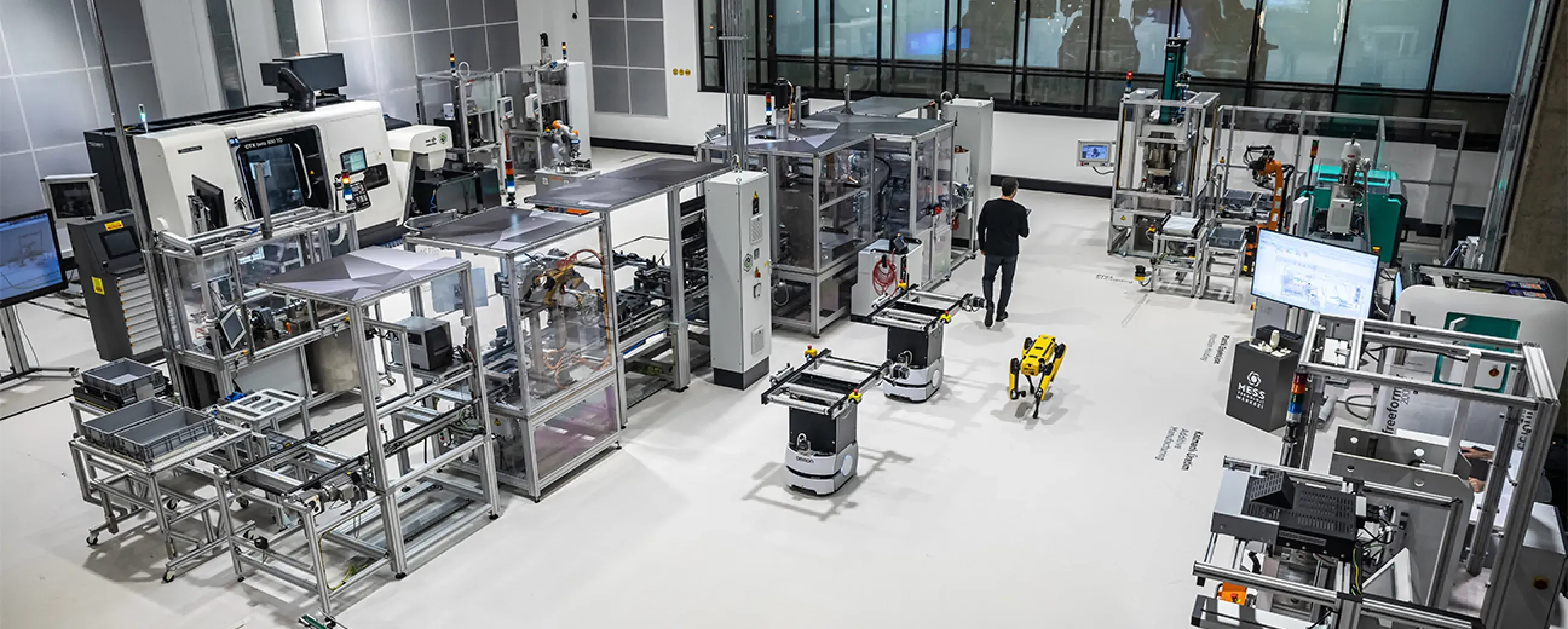
Manufacturing
Digital factory data management
MEXT Digital Factory
Read the case study -
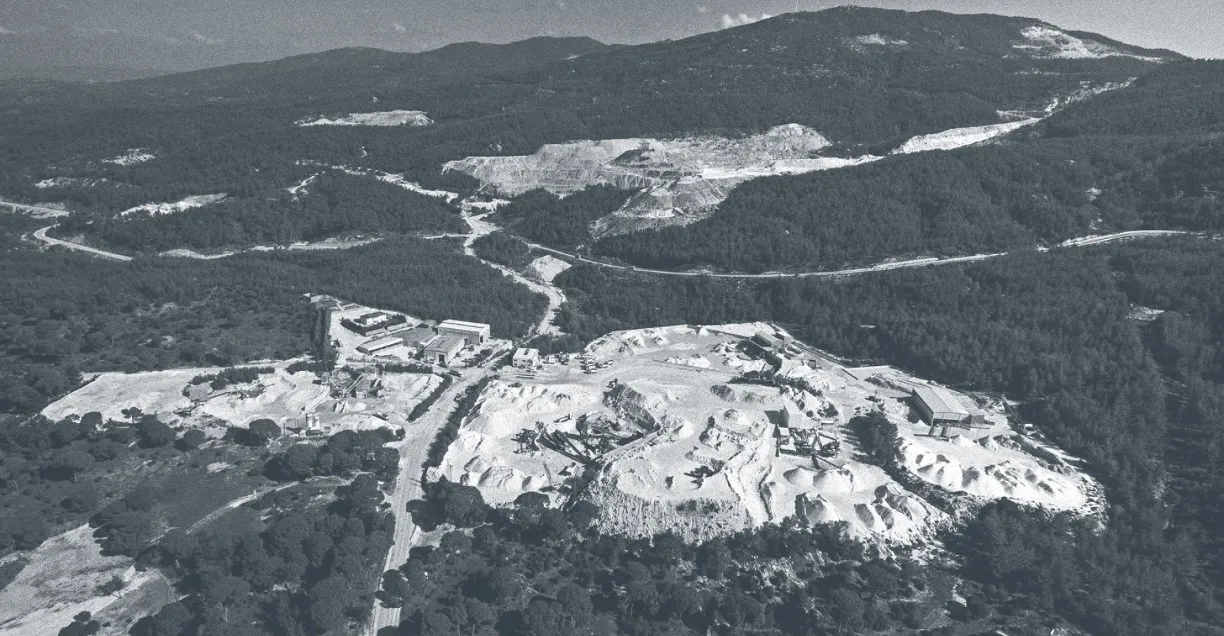
Mining & energy
Mining, fleet and solar on one platform
Kaltun Mining
Ask us about this deployment -
Energy
Grid monitoring at the edge
CK Enerji
Ask us about this deployment -
Manufacturing
Unified Namespace with Oracle ERP
Pilenpak
Ask us about this deployment
Next step
Close the gap upstream of your historian.
Tell us which machines never reach PI today and which systems besides the historian need their data. In thirty minutes we show the path, and we confirm the delivery route to PI for your topology before you plan on it.
- 01
Scoping call
Equipment, protocols, sites and the systems the data has to reach.
- 02
Technical walkthrough
A working demo against a scenario that resembles your plant, not a generic tour.
- 03
Pilot plan
A defined first line or site, with the deployment and security questions answered up front.
- 04
Roll-out
The same templates bring the next lines and sites online.