Comparison · A DIY stack
You can build this. The question is who maintains it in year three.
Telegraf, InfluxDB and Grafana (with a few scripts and maybe Node-RED) will collect industrial data and chart it, for the price of the hardware. Plenty of good plants run exactly this. It is a real option and we will not pretend otherwise; the honest comparison is about what happens after it works.
- What it is
- A DIY stack: Open-source assembly, typically Telegraf, InfluxDB, Grafana and scripts
- What Proxus is
- An industrial data platform: collect, model, govern, store, deliver
- Honest summary
- Cheap to start, genuinely capable, and the maintenance is the product you end up owning.
- Your options
- Usually one or the other: keep building, or move collection, modelling and history into Proxus and keep the parts that earn their keep, such as Grafana. Both paths are below.
Give them their due
What A DIY stack is genuinely good at.
A comparison that only lists the other product's weaknesses is a sales sheet, not a decision aid. These are real strengths, and some of them are reasons not to buy Proxus.
-
Excellent components, freely available
Telegraf ships as a standalone binary with hundreds of plugins including MQTT, Modbus and OPC UA, and buffers at the edge. InfluxDB and Grafana are mature. None of this is a compromise.
-
No licence conversation
You can start this afternoon without procurement, and prove value before anyone asks for a budget line.
-
Complete control
Every part is inspectable and replaceable. For teams with the skills and the appetite, that is worth more than any vendor relationship.
-
Skills that transfer
What your team learns building it applies far beyond this project, which is not true of most vendor-specific tooling.
Attribute by attribute
Where the two actually differ.
Both columns are filled in. Where A DIY stack is ahead, the row says so.
-
Time to first chart
Proxus
Comparable for the first device, and the modelling work is what takes the extra time.
A DIY stack
Fast. An afternoon for a familiar protocol.
-
Industrial protocols
Proxus
66 protocols across 30 vendor and standard families natively, including CNC and robot controllers.
In the docs: Industrial protocolsA DIY stack
Modbus, OPC UA, MQTT and Siemens S7 are covered. Most other vendor PLC, CNC and robot protocols are not, and that is where the custom work starts.
-
Data model
Proxus
A modelled namespace with units, quality and asset context, with changes recorded in the audit trail.
In the docs: Data modelA DIY stack
Measurement and tag names agreed by convention. The model lives in dashboards, queries and people.
-
Access control
Proxus
One role model across data, screens, APIs and AI clients, including namespace paths.
In the docs: Access controlA DIY stack
Per component: database users, Grafana roles, host access. Coherent per-signal permissions are hard to assemble.
-
Configuration management
Proxus
Pipelines keep revisions you can compare; every other configuration change is recorded in the audit trail.
In the docs: Configuration managementA DIY stack
Config files and dashboards in version control if the team is disciplined about it.
-
Where configuration lives
Proxus
Centrally on the hub. A replacement gateway is installed with a new command from the hub and pulls the same devices, rules and functions.
In the docs: Where configuration livesA DIY stack
Config files on each host, in version control if the team is disciplined about it.
-
Multi-site
A DIY stack
The same stack per site, kept consistent by process. Drift is the normal failure mode.
-
Moving parts at a site
Proxus
One gateway process plus a messaging container for the local buffer, installed by one script. The seams between components are inside one codebase rather than between four.
In the docs: Moving parts at a siteA DIY stack
An agent, a database, a dashboard server and usually a broker: four products to version, patch and supervise.
-
Who supports it
Proxus
A vendor with release notes, certified processes and a support channel.
Certificates: Who supports itA DIY stack
Your team, plus community channels. The person who built it is the escalation path.
-
Cost shape
Proxus
A licence priced by gateways and data rate, from $5,500 a year as published, with the maintenance inside it.
Pricing: Cost shapeA DIY stack
No licence. Engineering time up front and, more importantly, maintenance for as long as it runs.
Proxus figures come from the current build's own driver and target inventory. A DIY stack figures come from the vendor's published material, linked at the end of this page. Nothing here is measured on a benchmark neither party has agreed to.
Choose A DIY stack
When we are not the answer.
- One site, a handful of signals, and an engineer who wants to own it: a platform would be overhead.
- The protocols involved are Modbus, OPC UA or MQTT, which the open components already handle well.
- The team has genuine capacity for the maintenance, not just the enthusiasm for the build.
- The data is for engineering curiosity rather than decisions the business will defend in an audit.
Choose Proxus
When the shape of the problem fits.
- The stack became load-bearing and the person who built it has moved on, or would like to.
- The equipment includes controllers the open plugins do not speak.
- A security review needs one access model, not four, and an audit trail behind the numbers.
- Site two and site three have to look like site one without depending on the same engineer.
If this column describes you:
Run Proxus next to your stack: request an evaluation keyNot either/or
How they are used together.
-
Keep Grafana, change what feeds it
InfluxDB is a supported target. Existing dashboards keep working while the collection and modelling underneath become someone’s product rather than someone’s script.
InfluxDB integration -
Telegraf where it is already good
For infrastructure and IT metrics, Telegraf stays the better tool. Proxus does not need to own everything that produces a number.
-
Keep the scripts that earn their keep
Genuinely custom logic can move into a C# function inside the pipeline, where it is governed and supported rather than scheduled by cron.
Sources
- InfluxData: Telegraf ↗
- InfluxData: InfluxDB ↗
- InfluxData: Telegraf Siemens S7 input plugin ↗
- Grafana Labs ↗
- Node-RED comparison ↗
Last checked against vendor material: October 2026.
Products change. If something on this page is out of date or wrong, tell us and we will fix it, including when the correction favours A DIY stack.
Questions
Proxus and A DIY stack: short answers.
- Can we keep our Grafana dashboards?
- Yes. InfluxDB is a supported target, so existing dashboards keep working while Proxus takes over collection and modelling underneath.
- Which protocols do the open-source components cover?
- Modbus, OPC UA, MQTT and Siemens S7. Most other vendor PLC, CNC and robot protocols are not covered; Proxus has native drivers for 66 protocols across 30 vendor and standard families.
- What does Proxus cost compared with a free stack?
- A licence priced by gateways and data rate, from $5,500 a year as published, with the maintenance inside it. The open-source stack has no licence; its cost is engineering time and maintenance for as long as it runs.
Proven in production
Running in production at these sites.
-
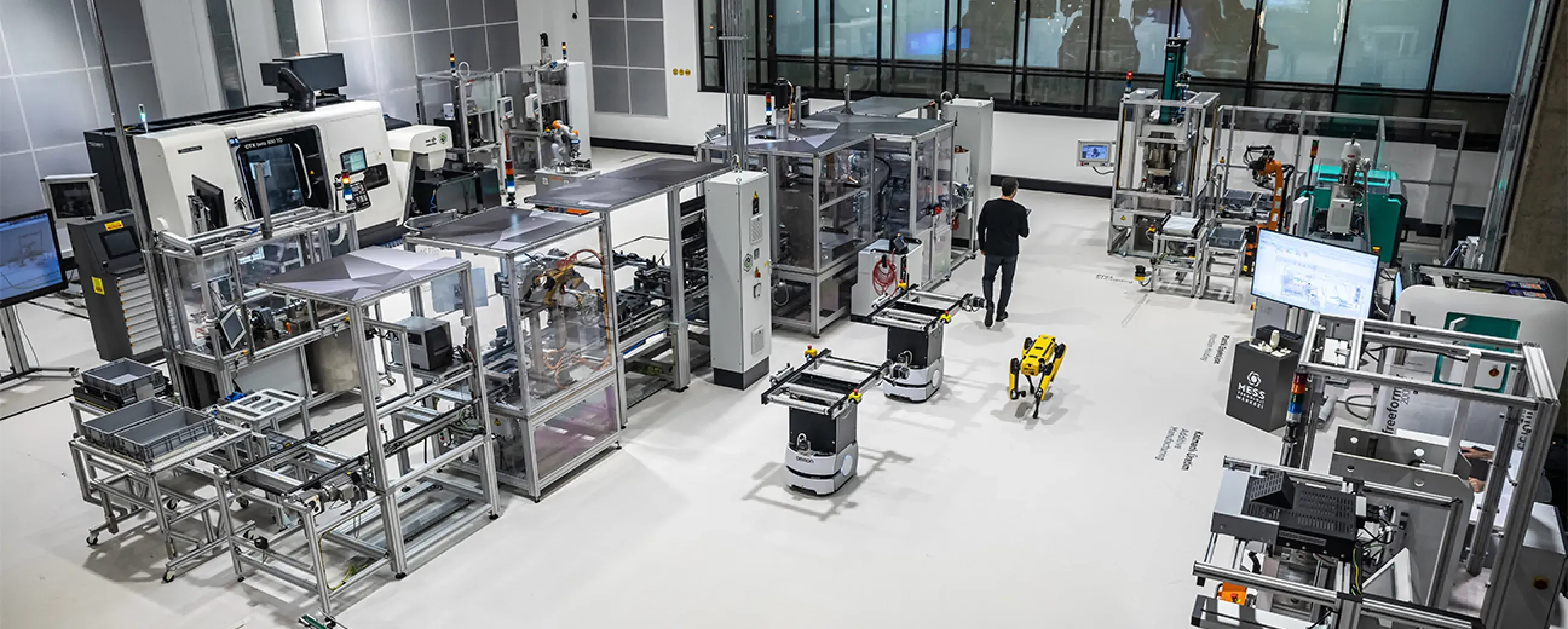
Manufacturing
Digital factory data management
MEXT Digital Factory
Read the case study -
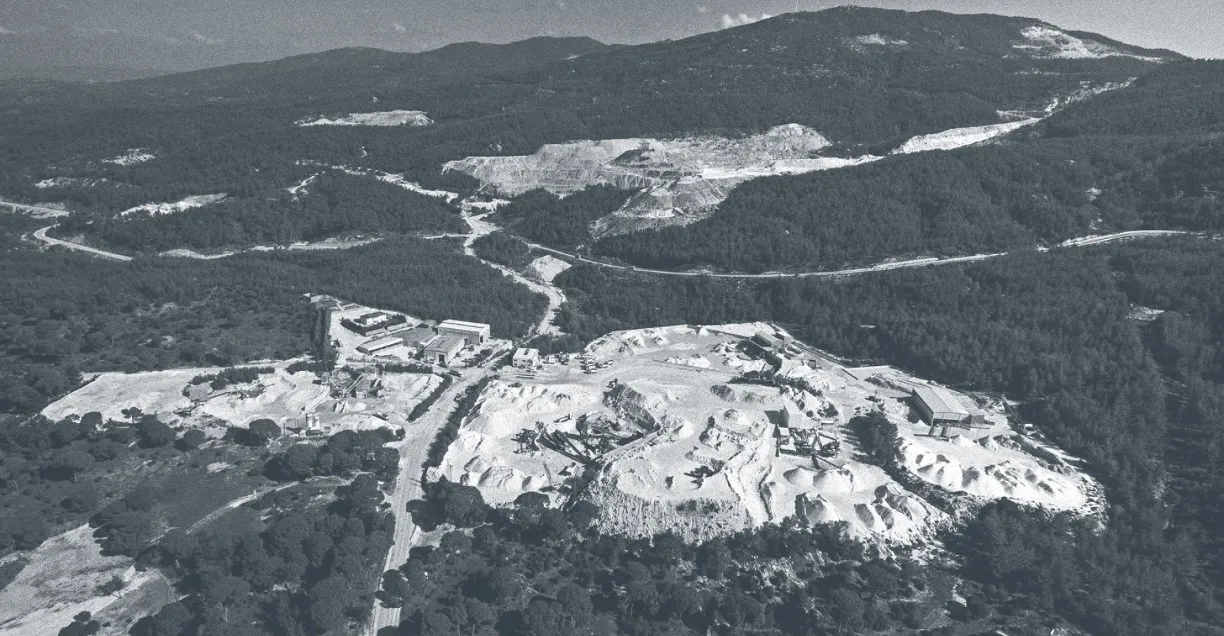
Mining & energy
Mining, fleet and solar on one platform
Kaltun Mining
Ask us about this deployment -

Energy
Grid monitoring at the edge
CK Enerji
Ask us about this deployment -
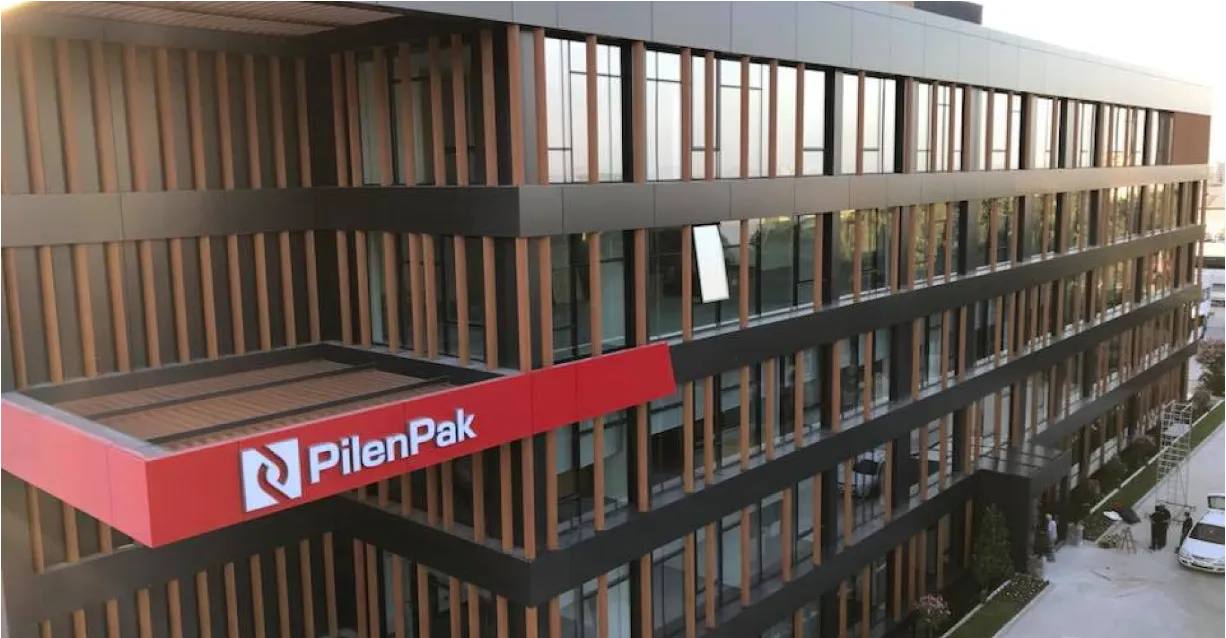
Manufacturing
Unified Namespace with Oracle ERP
Pilenpak
Ask us about this deployment
Next step
Compare year three, not day one.
Install Proxus next to what you built, point it at the same controllers and compare the work it takes. An evaluation key gets you started; an engineer answers the questions it raises.
- 01
Scoping call
Equipment, protocols, sites and the systems the data has to reach.
- 02
Technical walkthrough
A working demo against a scenario that resembles your plant, not a generic tour.
- 03
Pilot plan
A defined first line or site, with the deployment and security questions answered up front.
- 04
Roll-out
The same templates bring the next lines and sites online.