Comparison · Ignition
Ignition is a platform you build on. Proxus is a layer you configure.
Ignition is one of the strongest value propositions in industrial software: unlimited tags and clients for a server licence, SCADA, HMI, alarming, reporting and a module ecosystem. It overlaps with us at the edges, but the products ask different things of you: Ignition asks you to build an application, Proxus asks you to configure a data layer. Where Ignition is used for monitoring screens, alarms and reports, Proxus can take that job over in the same install; where operators control equipment from the screen, keep Ignition.
- What it is
- Ignition: SCADA, HMI and application platform, from Inductive Automation
- What Proxus is
- An industrial data platform: collect, model, govern, store, deliver
- Honest summary
- An application platform with unlimited licensing and a huge integrator community. You build the application; we ship a data layer.
- Your options
- Keep Ignition where operators control equipment and move monitoring screens, alarms and reports into Proxus, or keep Ignition for all of it with Proxus as the data layer beneath. Both paths are below.
Give them their due
What Ignition is genuinely good at.
A comparison that only lists the other product's weaknesses is a sales sheet, not a decision aid. These are real strengths, and some of them are reasons not to buy Proxus.
-
Unmatched commercial value for what it includes
Unlimited tags, unlimited clients and unlimited connections on a server licence. For plants that need screens as well as data, very little competes on that basis.
-
A real application platform
SCADA, HMI, alarming, reporting, scripting and web-deployed clients. If you need an operator screen with control on it, that is Ignition territory and not ours.
-
An enormous integrator community
Finding people who can build in Ignition is easy almost anywhere in the world. That availability is a genuine risk reducer for a long project.
-
Open technologies and a module ecosystem
Built on SQL, Python, OPC UA and MQTT, with a large third-party module market including MQTT and UNS tooling.
Attribute by attribute
Where the two actually differ.
Both columns are filled in. Where Ignition is ahead, the row says so.
-
What it is
Proxus
A product with a fixed operating model: sources, models, rules, targets and roles are configuration.
Ignition
An application platform. What it does is what you build with it.
-
Operator screens and control
Proxus
Not a SCADA or HMI. Dashboards are operational views, and platform access to equipment is read-oriented.
Ignition
A core strength: HMI, SCADA and web-deployed clients, including control actions.
-
Dashboards, alarms, reports
Proxus
Configured rather than built: operational dashboards, alerts with acknowledgement and scheduled reports. Enough to take over monitoring screens; not operator control.
In the docs: Dashboards, alarms, reportsIgnition
Built inside the project you design, with the platform’s screen, alarming and reporting modules.
-
Time to a working data layer
Proxus
Configuration of sources, models and targets, narrower scope, less to design.
Ignition
Depends on the application you design and who designs it.
-
Data model
Proxus
A namespace with units, quality and asset context as product behaviour, with changes recorded in the audit trail.
In the docs: Data modelIgnition
Tags, UDTs and whatever structure your project defines, with UNS commonly added through modules.
-
Footprint at a site
Proxus
One gateway process plus a messaging container that holds the local buffer, installed by one script. No database at the edge.
In the docs: Footprint at a siteIgnition
A gateway server on the JVM, usually with a database alongside it for history and application data. Ignition Edge is the lighter edition for edge devices.
-
Scripting
Ignition
Python (Jython) scripting throughout the platform, which is a large part of its flexibility.
-
Governance
Proxus
Roles and object-level permissions, including namespace paths, applied to people, integrations and AI clients.
In the docs: GovernanceIgnition
Roles and security zones designed as part of the application.
-
Where configuration lives
Proxus
On the hub. Edge gateways keep no configuration of their own and receive it from the hub when they connect.
In the docs: Where configuration livesIgnition
In the gateway project, backed up and promoted between gateways as project exports.
-
Multi-site rollout
Proxus
Templates and a gateway fleet with central visibility, from a documented pattern.
In the docs: Multi-site rolloutIgnition
Gateway network and project export, with the consistency your team enforces.
-
Licensing shape
Proxus
Priced by connected gateways and data rate, with published recommended prices from $5,500 a year. Tags, devices, users and dashboards are unlimited.
Pricing: Licensing shapeIgnition
Server licence with unlimited tags and clients.
Proxus figures come from the current build's own driver and target inventory. Ignition figures come from the vendor's published material, linked at the end of this page. Nothing here is measured on a benchmark neither party has agreed to.
Choose Ignition
When we are not the answer.
- Operators control equipment from the screen: that is SCADA and HMI work, and Proxus is not a SCADA or HMI.
- You have or can hire Ignition capability, and building exactly what you want is preferable to configuring what a product decides.
- A single platform for SCADA and data is the architectural preference, and you accept owning the application.
- The site is small enough that one Ignition server covers screens, history and integration in one purchase.
Choose Proxus
When the shape of the problem fits.
- You want a data layer without taking on an application to build and maintain.
- The screens are for monitoring, alarms and reports, and you would rather configure them in the data layer than build and maintain an application for them.
- The same model has to hold across sites without depending on each project being built the same way.
- Governed AI access, delivery visibility and audit trail are requirements rather than things to design.
- The team that will own it is closer to IT than to SCADA engineering.
If this column describes you:
Bring a monitoring screen you run today to a demoNot either/or
How they are used together.
-
Ignition for control, Proxus for the data layer
A common split: keep Ignition where operators control equipment, and let Proxus own collection, modelling, monitoring screens and delivery to the systems beyond the plant.
-
Read from Ignition over OPC UA
Ignition exposes an OPC UA server, so an existing installation can be a source for Proxus without touching the field layer.
-
Meet on MQTT
Each Proxus gateway publishes the namespace on its built-in MQTT broker, in JSON or Sparkplug B, so Ignition can subscribe to it alongside its own tags.
Sources
Last checked against vendor material: October 2026.
Products change. If something on this page is out of date or wrong, tell us and we will fix it, including when the correction favours Ignition.
Questions
Proxus and Ignition: short answers.
- Is Proxus a SCADA or HMI?
- No. Proxus dashboards are operational views, and platform access to equipment is read-oriented. Where operators control equipment from the screen, keep Ignition.
- Can Proxus take over monitoring screens, alarms and reports?
- Yes. Operational dashboards, alerts with acknowledgement and scheduled reports are configured rather than built, which is enough to take over monitoring screens.
- Can Proxus read data from Ignition?
- Yes. Ignition exposes an OPC UA server, so an existing installation can be a source for Proxus. Each Proxus gateway also publishes the namespace on its built-in MQTT broker, in JSON or Sparkplug B, for Ignition to subscribe to.
Proven in production
Running in production at these sites.
-
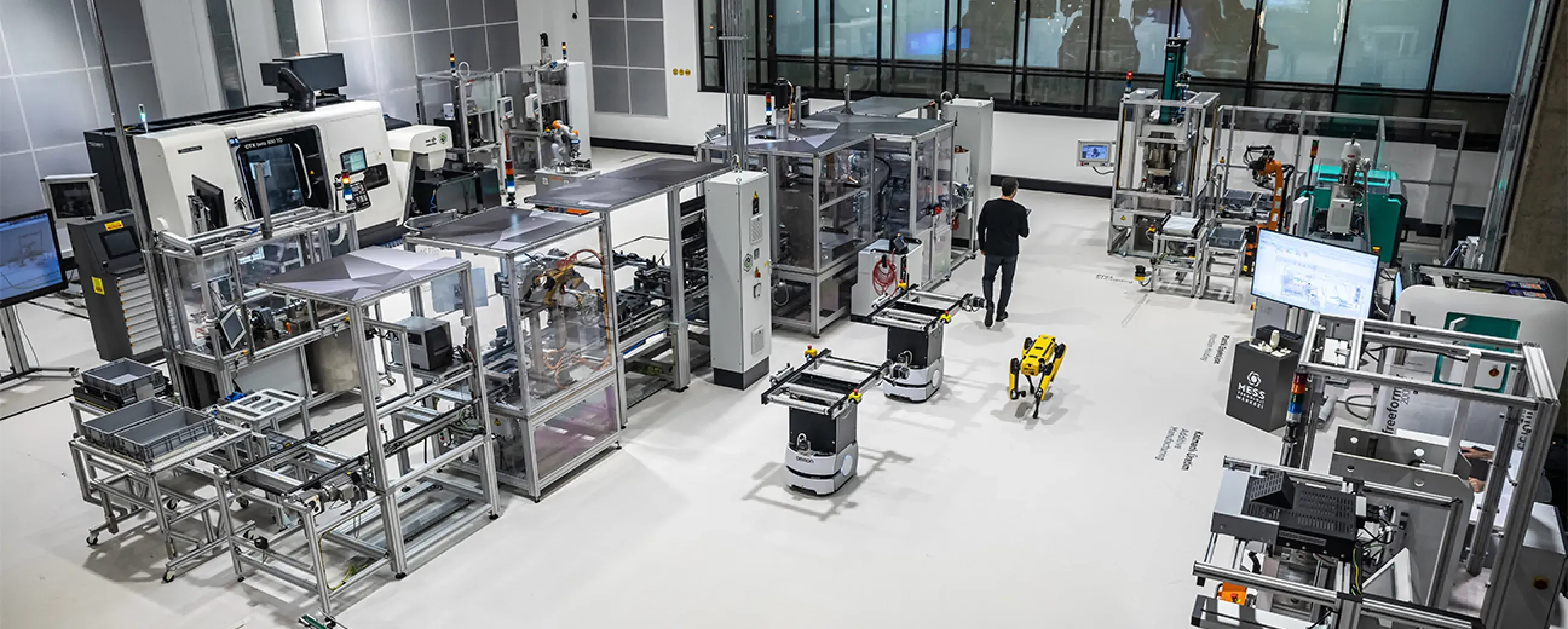
Manufacturing
Digital factory data management
MEXT Digital Factory
Read the case study -
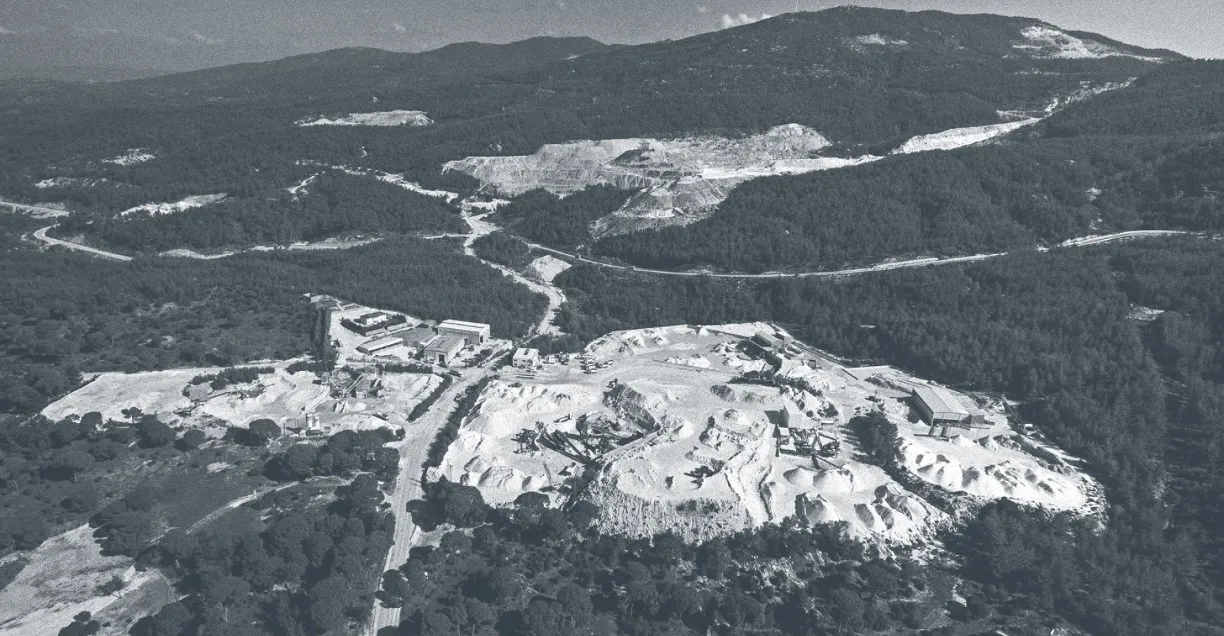
Mining & energy
Mining, fleet and solar on one platform
Kaltun Mining
Ask us about this deployment -

Energy
Grid monitoring at the edge
CK Enerji
Ask us about this deployment -
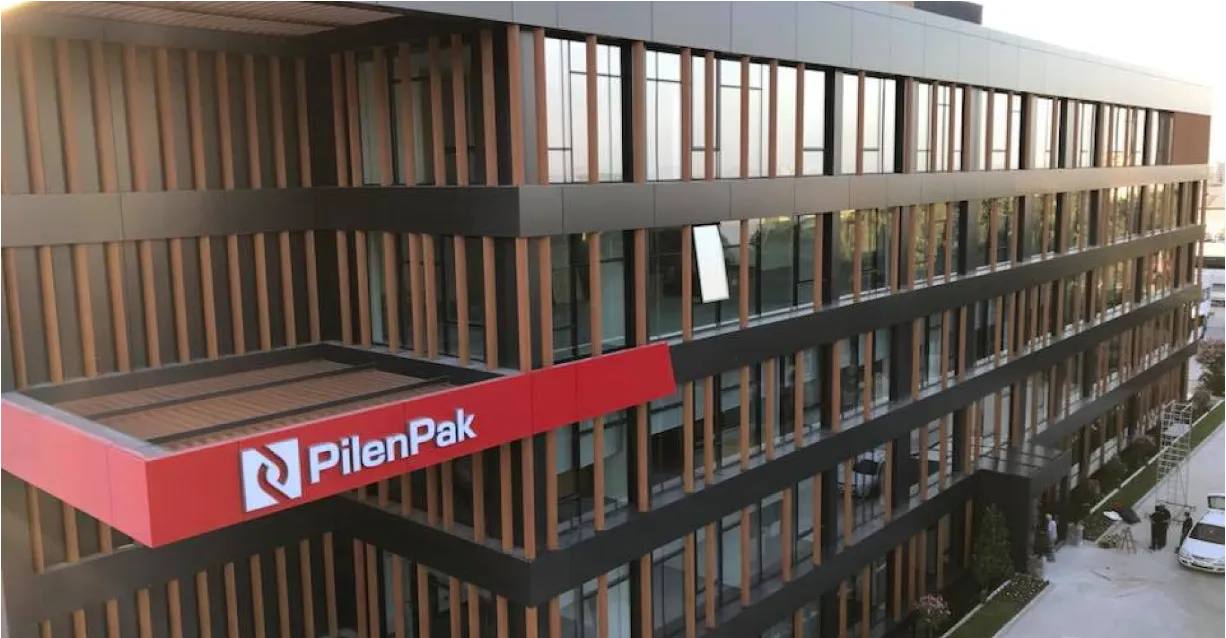
Manufacturing
Unified Namespace with Oracle ERP
Pilenpak
Ask us about this deployment
Next step
Decide which screens move and which stay.
Bring the list of Ignition screens your plant uses. In thirty minutes we separate the monitoring screens, alarms and reports Proxus can take over from the control screens that should stay on Ignition.
- 01
Scoping call
Equipment, protocols, sites and the systems the data has to reach.
- 02
Technical walkthrough
A working demo against a scenario that resembles your plant, not a generic tour.
- 03
Pilot plan
A defined first line or site, with the deployment and security questions answered up front.
- 04
Roll-out
The same templates bring the next lines and sites online.