Comparison · Kepware
Proxus and Kepware solve different halves of the problem.
Kepware Server (formerly KEPServerEX; since March 2026 part of Velotic, the TPG-backed company that also owns ThingWorx and Proficy) is a connectivity server: it speaks to almost anything on a plant floor and presents it as standard tags. Proxus is a data layer: it collects, models, governs, stores and delivers. Comparing them as substitutes usually leads to the wrong decision, including for us.
- What it is
- Kepware: Industrial connectivity server, from Velotic (TPG; formerly PTC)
- What Proxus is
- An industrial data platform: collect, model, govern, store, deliver
- Honest summary
- The industry’s reference OPC server. Deep driver coverage; a different job from a data layer.
- Your options
- Keep Kepware as the driver layer and put Proxus above it, or import the Kepware project and move the supported devices into Proxus line by line. Both paths are below.
Give them their due
What Kepware is genuinely good at.
A comparison that only lists the other product's weaknesses is a sales sheet, not a decision aid. These are real strengths, and some of them are reasons not to buy Proxus.
-
The deepest driver library in the category
Kepware has been shipping industrial drivers for over thirty years, by the vendor’s own account. For obscure, legacy or regional controllers, the odds that a driver already exists are higher with Kepware than with anyone else, including us.
-
A proven, conservative product
It is widely deployed and is often already installed. In a brownfield site, "it is already there and it works" is a real engineering argument.
-
Standards-first
OPC DA and OPC UA server interfaces are the point of the product, which is exactly what makes it easy to put a data layer on top of it.
-
Straightforward when the job is aggregation
If the requirement is "read these machines and expose them as tags", Kepware does that with less conceptual overhead than a modelling platform.
Attribute by attribute
Where the two actually differ.
Both columns are filled in. Where Kepware is ahead, the row says so.
-
What it is built to do
Proxus
Collect from field devices, model the signals, govern access, store history and deliver to consuming systems.
Kepware
Read from field devices and expose standardised tags to clients over OPC and other interfaces.
-
Driver coverage
Proxus
66 protocols across 30 vendor and standard families in the current build: strong on mainstream PLCs, CNCs and robots, narrower on legacy and regional devices.
In the docs: Driver coverageKepware
The largest library in the industry, built over three decades, including many legacy and niche controllers.
-
Operating system
Proxus
Linux containers throughout, deployed with Docker or Kubernetes. No Windows requirement at the edge.
In the docs: Operating systemKepware
Kepware Server runs on Windows. Kepware Edge is the Linux, containerised product, and is newer with a narrower driver set.
-
Edge footprint
Proxus
One gateway process plus a messaging container next to it that holds the local buffer, installed by one script, with no database at the edge. Built for a plant server or a small industrial PC.
In the docs: Edge footprintKepware
A Windows service on a Windows machine for Kepware Server; Kepware Edge is the containerised alternative.
-
Replacing a failed box
Proxus
Gateways keep no configuration of their own: it comes from the hub you host. Install the replacement with a new command from the hub; it pulls the same devices, rules and functions. No cloud service is involved.
In the docs: Replacing a failed boxKepware
Reinstall and restore the configuration, or recover from a backup. Kepware+ Manager, a SaaS control plane, adds central configuration for the servers connected to it.
-
Data model
Proxus
Asset-centric. Signals carry units, scaling, quality and an ISA-95-shaped namespace path before anything consumes them.
In the docs: Data modelKepware
Tag-centric. Context (which machine, which line, what unit) is added by whatever consumes the tags.
-
History
Proxus
Built-in telemetry historian with retention policy and query access, in the same deployment.
In the docs: HistoryKepware
Data logging writes tag values to a database. A historian, retention policy and query layer are separate products, such as Proficy Historian in the same Velotic portfolio.
-
Dashboards, rules and alarms
Proxus
Included: operational dashboards, scheduled reports, rule engine and statistical anomaly detection at the edge.
In the docs: Dashboards, rules and alarmsKepware
Provided by other products in the Velotic portfolio (Proficy HMI/SCADA, ThingWorx) or by third parties.
-
Delivery targets
Proxus
18 destination systems: databases, brokers, cloud IoT services and REST endpoints, configured per device.
In the docs: Delivery targetsKepware
Clients connect to it, plus IoT gateway and data logging options for selected destinations.
-
AI access
Proxus
Governed MCP interface in the platform: read tools by default, plus one write tool limited to the user’s own permissions, with deletes blocked. Same roles and audit trail as any other consumer.
In the docs: AI accessKepware
Through the wider Velotic portfolio (ThingWorx, Proficy) and third-party tooling.
-
Licensing shape
Proxus
Priced by connected gateways and data rate, with published recommended prices from $5,500 a year. Tags, devices, users and dashboards are unlimited in every package.
Pricing: Licensing shapeKepware
Per server and per driver suite, with commercial terms from the vendor (Velotic since March 2026).
Proxus figures come from the current build's own driver and target inventory. Kepware figures come from the vendor's published material, linked at the end of this page. Nothing here is measured on a benchmark neither party has agreed to.
Choose Kepware
When we are not the answer.
- You need a driver for a device we do not support, and replacing that device is not an option.
- You are standardised on Velotic tooling (ThingWorx, Proficy) and staying in one vendor’s portfolio matters more than platform consolidation.
- The requirement really is only an OPC server: no modelling, no history, no delivery layer, no governance.
- The plant is Windows-centric by policy and a Linux container at the edge would be an exception to fight for.
Choose Proxus
When the shape of the problem fits.
- The data has to reach several systems, each with its own format and delivery strategy.
- You need the same model on the second and tenth site, not a per-site tag naming scheme.
- History, dashboards, rules and AI access are part of the requirement rather than four more procurements.
- The deployment must run on Linux containers, on-premises or air-gapped, operated by your own team.
- You want to move Siemens, Modbus TCP and OPC UA devices off per-server driver licences without rebuilding their tags by hand.
If this column describes you:
Send your Kepware channel list for an import checkNot either/or
How they are used together.
-
Kepware as the driver layer, Proxus as the data layer
This is the most common arrangement in plants that already run Kepware. Proxus connects to it as an OPC UA client, and the existing tag configuration keeps its value instead of being rebuilt.
-
Model on top, without touching the field
Tags arriving from Kepware are mapped into the namespace with units and asset context. Nothing changes at the controller, and the modelling work is done once.
-
One delivery layer for everything
Signals from Kepware and from devices Proxus reads natively leave through the same outbound channels, with the same delivery visibility.
-
Import the Kepware project
Proxus reads channels, devices and tags from a running Kepware server through its Configuration API and, after you review each change, turns the Siemens, Modbus Ethernet and OPC UA client channels into native Proxus devices. Keep Kepware, or retire it line by line.
How the import works
Sources
- Velotic: Kepware Server ↗
- Velotic: Kepware Edge ↗
- Velotic: Kepware+ Manager ↗
- PTC: divestiture of the Kepware and ThingWorx businesses to TPG (March 2026) ↗
- AUTEM: HighByte vs Kepware, an independent walkthrough of the connectivity/DataOps split ↗
Last checked against vendor material: October 2026.
Products change. If something on this page is out of date or wrong, tell us and we will fix it, including when the correction favours Kepware.
Questions
Proxus and Kepware: short answers.
- Can Proxus import my Kepware project?
- Yes. Proxus reads channels, devices and tags from a running Kepware server through its Configuration API and, after you review each change, turns the Siemens, Modbus Ethernet and OPC UA client channels into native Proxus devices.
- Can Proxus and Kepware run together?
- Yes, and in plants that already run Kepware it is the most common arrangement: Proxus connects to Kepware as an OPC UA client, and the existing tag configuration keeps its value.
- Does Proxus need Windows at the edge?
- No. Proxus runs as Linux containers with Docker or Kubernetes. Kepware Server runs on Windows; Kepware Edge is its Linux, containerised product.
- When is Kepware the better choice?
- When you need a driver for a device Proxus does not support and replacing the device is not an option, or when the requirement really is only an OPC server.
Proven in production
Running in production at these sites.
-
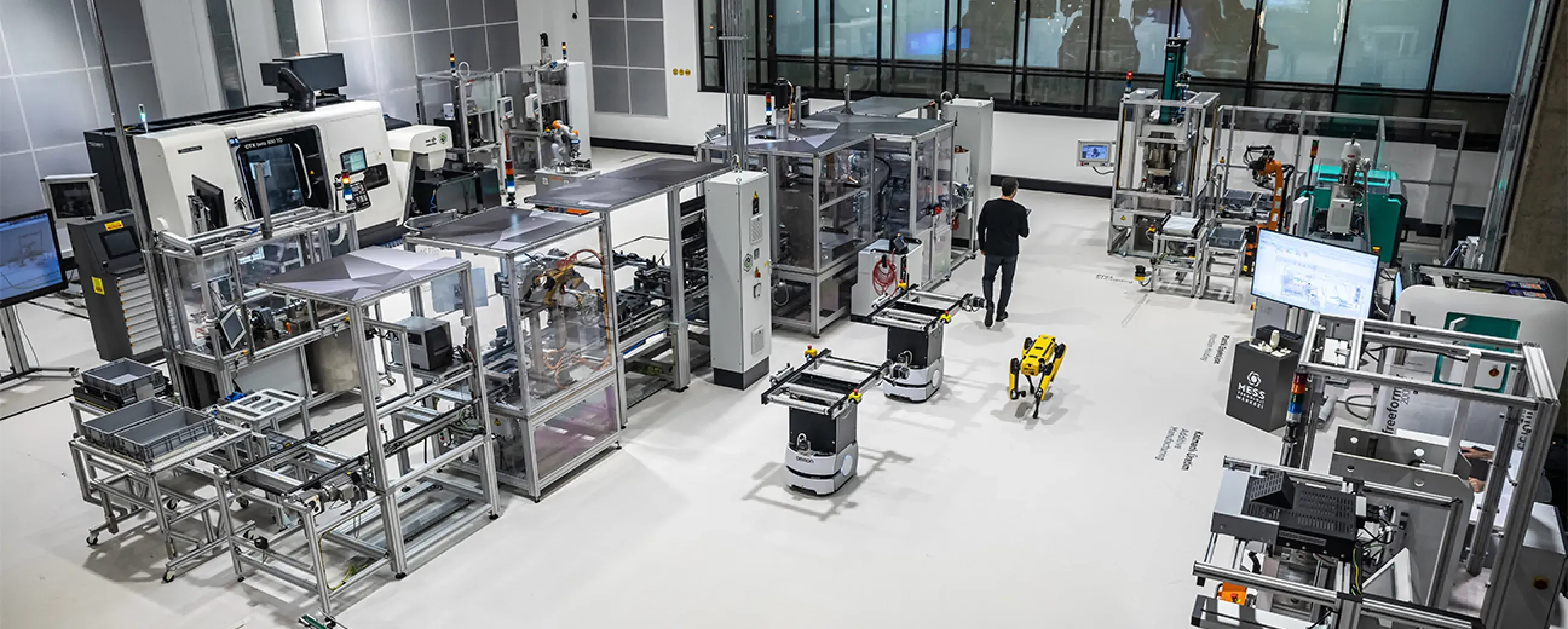
Manufacturing
Digital factory data management
MEXT Digital Factory
Read the case study -
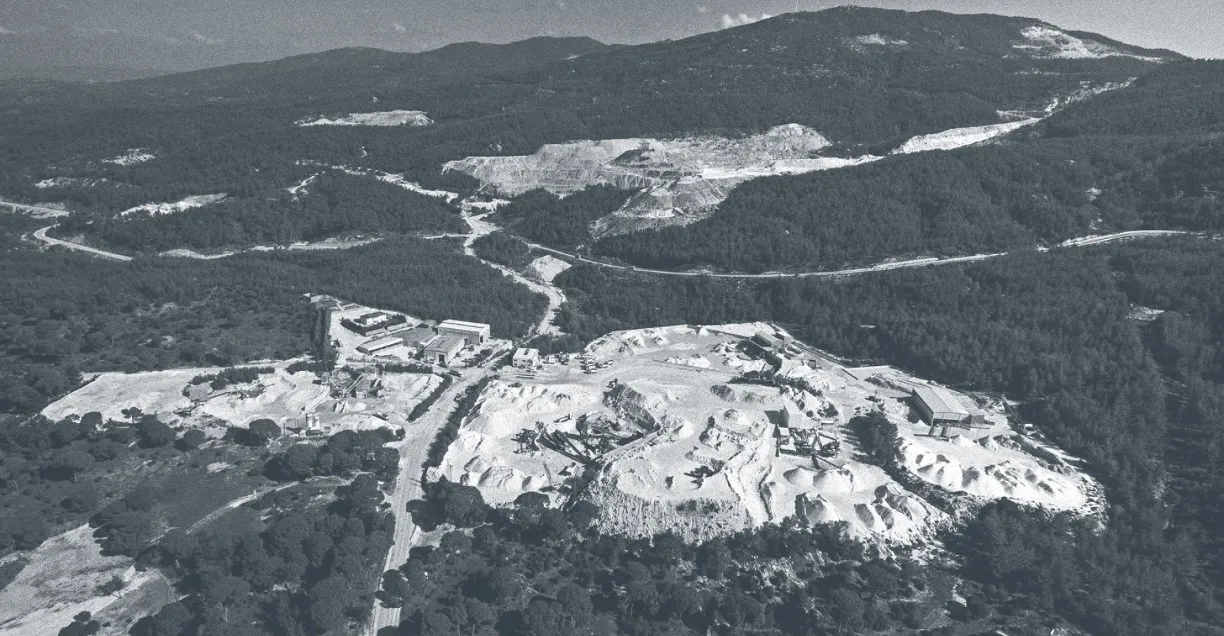
Mining & energy
Mining, fleet and solar on one platform
Kaltun Mining
Ask us about this deployment -
Energy
Grid monitoring at the edge
CK Enerji
Ask us about this deployment -
Manufacturing
Unified Namespace with Oracle ERP
Pilenpak
Ask us about this deployment
Next step
Find out what your Kepware project becomes in Proxus.
Send us the channels and devices on your Kepware server. An engineer replies with which channels the importer turns into Proxus devices and which are better left on Kepware over OPC UA.
- 01
Scoping call
Equipment, protocols, sites and the systems the data has to reach.
- 02
Technical walkthrough
A working demo against a scenario that resembles your plant, not a generic tour.
- 03
Pilot plan
A defined first line or site, with the deployment and security questions answered up front.
- 04
Roll-out
The same templates bring the next lines and sites online.